The transition from summer to fall is one of the most important times for maintaining your landscape. A little attention now can mean the difference between a lush, thriving yard in spring or costly repairs and replacements after winter damage. Unfortunately, many homeowners make simple but avoidable mistakes that weaken lawns, harm plants, and damage outdoor features.
Here are the most common fall landscaping mistakes to avoid and what you should be doing instead.
Lawn Care Mistakes
Skipping the Final Mow of the Season
As fall progresses, many homeowners put their mowers away too soon. The reality is that grass continues to grow until the ground fully freezes. Leaving it too long going into winter creates a thick mat that traps moisture. This damp layer encourages snow mold, harbors insects, and makes it harder for new blades to push through in spring.
Cutting your grass short is not the answer either. Scalping the lawn can expose roots, leaving them vulnerable to frost damage and dehydration.
Best Practice: Aim for one final mow before winter sets in, reducing your grass height gradually over the last couple of cuts. Keep it between 2.5 and 3 inches for most cool-season grasses. This height allows grass blades to photosynthesize while preventing matting that leads to disease.
Neglecting to Aerate the Lawn
After a summer of foot traffic, kids playing, and outdoor activities, your lawn’s soil is often compacted. Compaction squeezes out the spaces where air, water, and nutrients should flow to the roots. As a result, your grass may look weak and patchy, no matter how much you water or fertilize.
Aeration relieves this compaction by creating small holes that let the soil breathe. Fall is the ideal time for aeration because cooler weather reduces stress on your grass while roots are actively storing nutrients for winter.
Best Practice: Use a core aerator (which removes plugs of soil) rather than a spike aerator (which can compact soil further). Aerate in early to mid fall, then water your lawn thoroughly. For even better results, pair aeration with overseeding and fertilization.
Not Overseeding Before Winter
Thin or bare spots in your lawn are prime real estate for weeds to take over in spring. Overseeding fills in these gaps and thickens your lawn, creating a healthier turf that crowds out weeds naturally.
Fall is especially effective for overseeding because the soil is still warm enough to encourage germination, and cool nights promote strong root development.
Best Practice: Choose a grass seed blend designed for your climate. In the Northeast, ryegrass, Kentucky bluegrass, and fescue mixes are common. Spread seed evenly after aerating to ensure good seed-to-soil contact, then water lightly but consistently until the grass is established.
Over or Under-Fertilizing
Fertilizing mistakes are one of the most common reasons lawns struggle after winter. Applying too much fertilizer can “burn” the grass, stressing roots instead of strengthening them. Too little fertilizer leaves grass without the nutrients it needs to survive the dormant season.
Fall fertilization is critical because it helps grass store energy in its roots, building reserves for the long winter and promoting quicker green-up in spring.
Best Practice: Use a slow-release, nitrogen-rich fertilizer labeled for fall use. Apply in mid fall, ideally after aeration and overseeding. Water the lawn after applying fertilizer to help nutrients penetrate the soil and reduce the risk of surface runoff.
Plant and Garden Mistakes
Leaving Dead Plants and Weeds in Garden Beds
It is tempting to leave spent annuals, vegetable plants, and weeds in your beds when cooler weather sets in, but this debris does more harm than good. Dead plant matter provides shelter for pests such as aphids, mites, and beetles, while also harboring diseases that can overwinter and reemerge in spring. Even weeds left in the soil can drop seeds that sprout when temperatures warm again.
Best Practice: Remove all dead or diseased plant material from your beds in fall. Healthy debris can be added to compost piles, but discard diseased material completely. By cleaning your beds now, you reduce the pest population and improve soil health for next season.
Pruning at the Wrong Time
Pruning is one of the most misunderstood fall chores. Many homeowners think fall is a good time to trim trees and shrubs, but pruning too late in the season stimulates new growth that is extremely vulnerable to frost. This new growth is often killed by freezing temperatures, which weakens the overall plant. In some cases, improper fall pruning can even stunt long-term development.
Best Practice: Only prune in fall if you are removing dead, broken, or diseased branches. Save structural or shaping pruning for late winter or early spring before new growth begins. If you are unsure, consult a local garden center or arborist before making major cuts.
Forgetting to Mulch
Many homeowners apply mulch in spring but forget its importance in fall. A fresh layer of mulch before winter acts like insulation for plant roots, helping regulate soil temperature and retaining moisture. Without mulch, roots are more exposed to temperature swings, which can stress or even kill plants during freeze-thaw cycles.
Best Practice: Apply a 2 to 3 inch layer of mulch around the base of trees, shrubs, and perennials after the first frost but before the ground freezes. Keep mulch a couple of inches away from trunks and stems to prevent rot. Cedar, triple-shredded hardwood, or dyed mulches are great options for both function and appearance.
Ignoring Perennials Before the Frost Hits
Perennials are hardy, but they still need preparation before winter. Overcrowded perennials compete for nutrients, and those left uncut can become messy and more prone to disease. Ignoring them in fall means weaker plants and slower growth in spring.
Best Practice: Divide and transplant perennials that are getting too large to give them space and encourage healthy growth. Cut back varieties that benefit from trimming, such as hostas and daylilies, while leaving ornamental grasses and plants that provide winter interest. Water deeply before the ground freezes so roots stay hydrated during dormancy.
Hardscaping and Outdoor Feature Mistakes
Leaving Outdoor Furniture and Grills Unprotected
Outdoor furniture and grills take a beating during the winter months if left exposed. Moisture can cause rust on metal pieces, mildew on fabric, and cracking in wood. Grills, especially those with stainless steel components, can corrode or clog if grease and moisture sit all season. Replacing or repairing these items each spring can get expensive.
Best Practice: Clean furniture and grills thoroughly before covering or storing them. Store lightweight furniture indoors or in a shed. Use weather-resistant covers for larger pieces and grills. For built-in outdoor kitchens, shut off gas lines and cover appliances to prevent damage.
Failing to Drain Irrigation Systems and Hoses
One of the most common fall mistakes is forgetting to drain irrigation systems, hoses, and outdoor faucets. Water left inside expands when it freezes, which can crack pipes, damage sprinkler heads, and even burst underground lines. These repairs are costly and usually discovered only after spring startup.
Best Practice: Shut off the outdoor water supply, disconnect all hoses, and drain them before storing. Have your irrigation system professionally blown out with compressed air to remove all water from the lines and sprinkler heads. Do this before the first hard freeze to avoid damage.
Not Protecting Walkways and Pavers from Freezing and Cracking
Pavers, stone walkways, and concrete slabs can shift or crack during freeze-thaw cycles. Water seeps into small cracks, freezes, and expands, causing damage that worsens over the winter. Neglecting this step may leave you with uneven, unsafe, or unsightly walkways in spring.
Best Practice: Sweep away dirt and debris, refill joint sand, and seal pavers in fall. Check for cracks in concrete or mortar and repair them before temperatures drop. Preventing water from penetrating surfaces is the best way to reduce winter damage.
Overlooking Fire Pits and Water Features
Fire pits, fountains, and ponds often get neglected in fall, but leaving them unprotected can cause expensive repairs. Ash left in fire pits absorbs moisture and accelerates rust. Fountains and ponds with standing water can crack as the water freezes and expands, damaging pumps, liners, and stonework.
Best Practice: Clean all ash and debris from fire pits, then cover them with a durable, weatherproof cover. Drain fountains and birdbaths completely, and store pumps indoors. For ponds, use a de-icer or aerator if you plan to keep fish, otherwise drain and cover the feature to prevent ice damage.
Additional Fall Landscaping Tips
Not Raking Leaves Properly
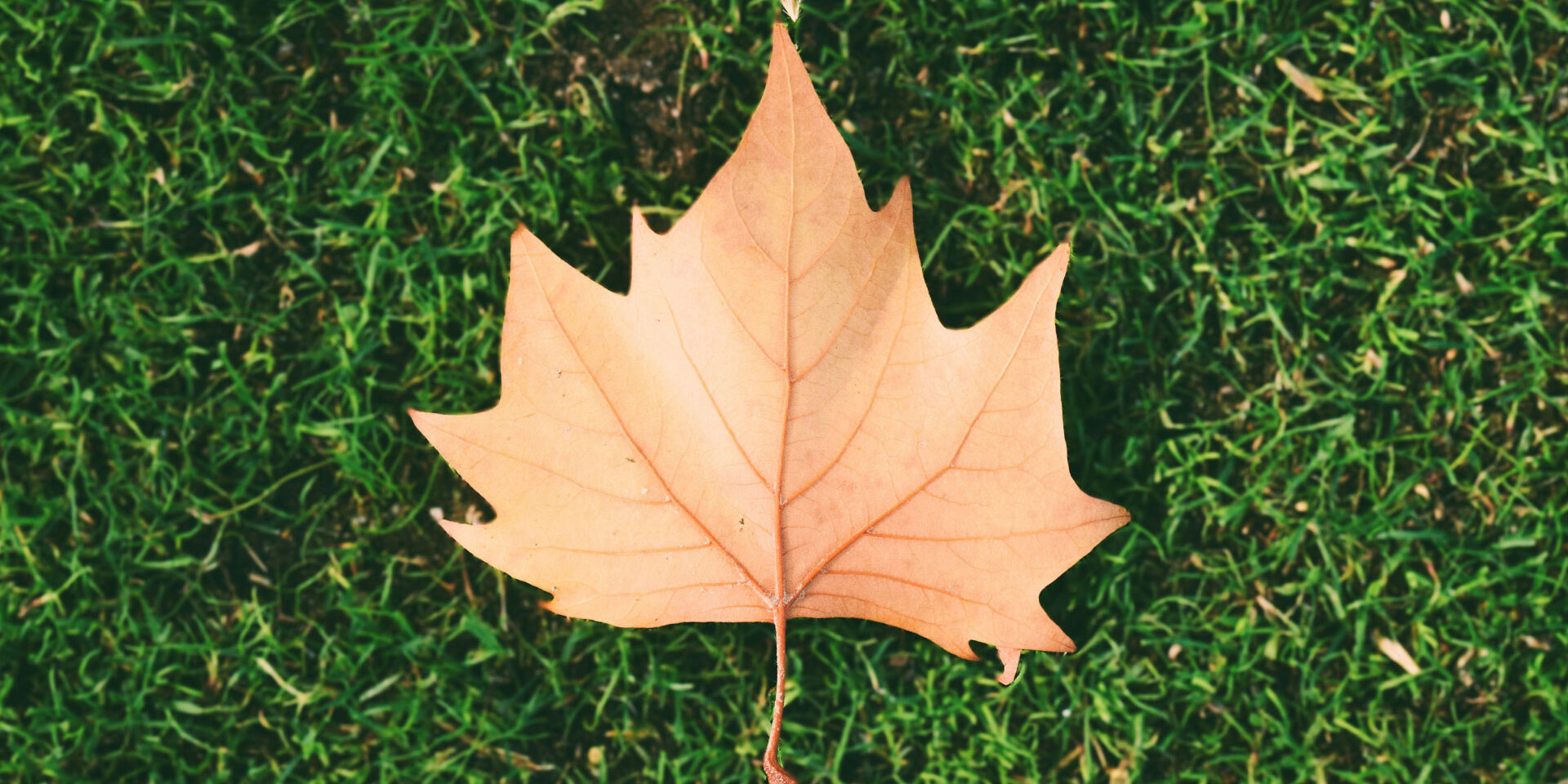
It may be tempting to let leaves sit on the lawn until spring, but thick layers block sunlight, trap moisture, and suffocate grass. They can also create a breeding ground for mold and fungi, leading to bare patches in spring. Even mulched leaves can be problematic if left in heavy layers.
Best Practice: Rake or mulch leaves regularly throughout fall. Shred leaves with a mulching mower to create natural fertilizer, or add them to a compost pile. If you bag them for disposal, do not let bags sit too long, as wet leaves can attract pests.
Planting the Wrong Trees or Shrubs
Fall can be a great time to plant, but not every species handles cold weather well. Trees and shrubs that are slow to establish roots may not survive the first freeze. Planting the wrong type too late in the season sets them up for failure.
Best Practice: Stick to hardy trees, shrubs, and evergreens that are recommended for fall planting in your region. Avoid delicate or heat-loving species until spring. Always plant early enough in fall to give roots several weeks to establish before the ground freezes.
Waiting Too Long to Take Action
Procrastination is one of the biggest fall landscaping mistakes. By the time frost arrives, it is often too late to aerate, overseed, mulch, or properly prepare plants and hardscapes. Waiting until the last minute leaves your yard vulnerable to winter damage.
Best Practice: Start fall landscaping tasks in early to mid fall while the soil is still warm and plants are actively growing. Create a checklist of essential chores, and pace them out over several weeks instead of trying to tackle everything in one weekend.
Final Thoughts
A healthy, vibrant yard in spring starts with the steps you take in fall. Avoiding these common mistakes and focusing on proper lawn, plant, and hardscape care will save you time, money, and headaches when winter is over.
Prepare your property for winter the right way.
Ryser’s Landscape Supply has everything you need for fall maintenance, including mulch, fertilizers, pavers, and winterization products.
📍 Visit us at 145 White Road, Little Silver, NJ
📞 Call 732-741-8338
🌐 Explore more at ryserslandscapesupply.com
Our team of experts is here to help you protect your lawn, plants, and outdoor features before the cold sets in. Do not wait, get your fall landscaping essentials today.