Why Mid-Summer Is The Right Time To Check In
By the middle of summer, most yards have already been through a lot. Heat, heavy rain, foot traffic, weeds, fast plant growth, and outdoor gatherings can all leave their mark. A landscape that looked fresh in May can start to feel a little tired by July or August, especially if mulch has faded, planters are stressed, or stone and edging have shifted after a few summer storms.
That does not mean you need to start over or take on a major project. A mid-summer landscape checkup is more like a practical tune-up. It gives you a chance to walk the property, notice what needs attention, and make a short list of small fixes that can help your yard look better and work better through the rest of the season.
For homeowners in Monmouth County, this is also a good time to think about how you are actually using your outdoor space. Are the patio and walkways holding up? Are the beds staying neat? Are your planters still adding color? Are there materials you wish you had before the next cookout or family get-together? A little attention now can help you enjoy the rest of summer without waiting until fall to catch up.
Check Your Mulch Beds
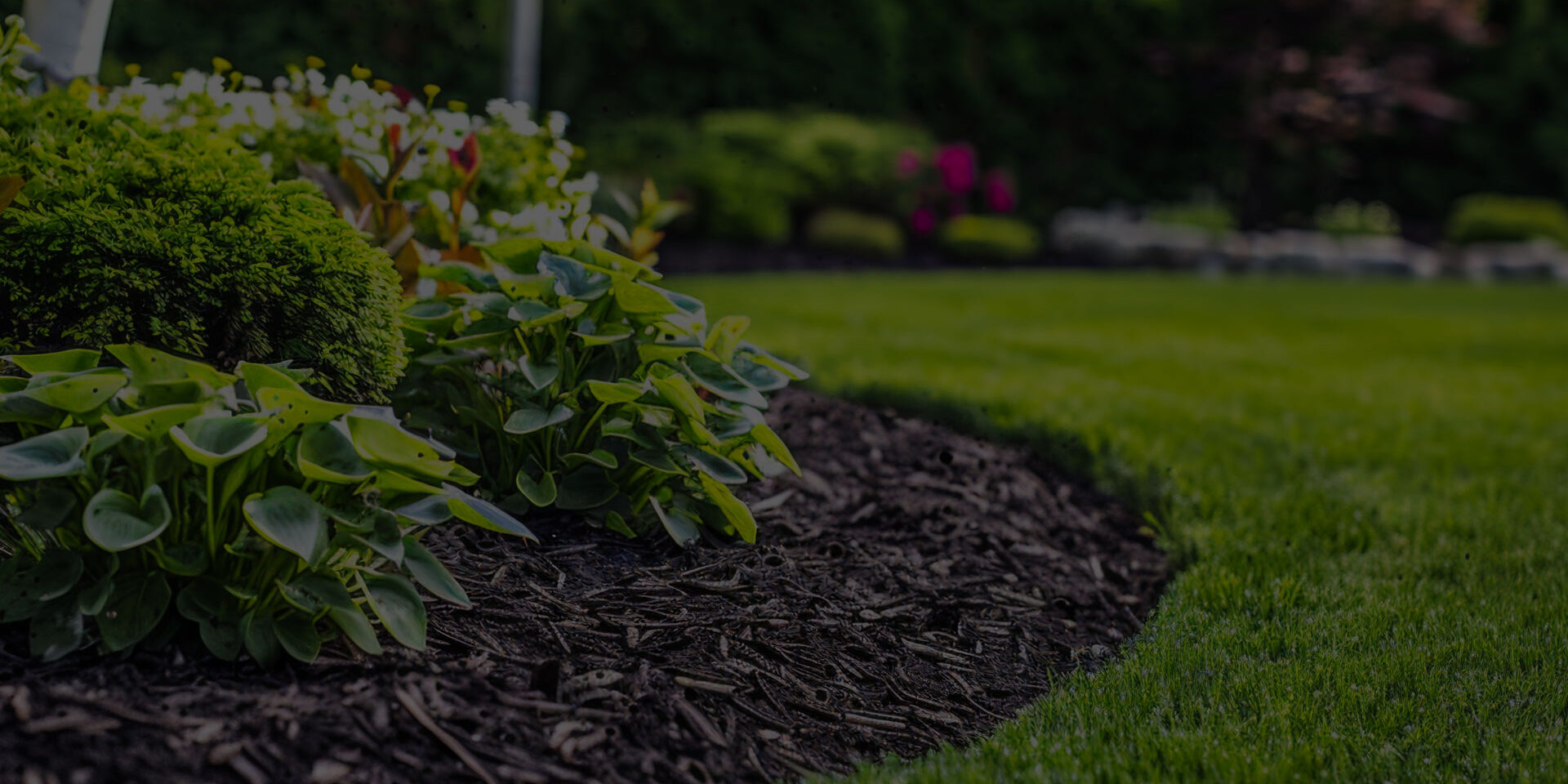
Mulch is one of the first places to look during a mid-summer checkup because it does so much of the quiet work in a landscape. It helps beds look finished, supports moisture retention, and can help reduce weed pressure when installed properly. By mid-season, though, mulch may look faded, thin, uneven, or washed out in certain areas.
Start by walking your beds and looking for exposed soil, bare patches, weeds pushing through, or mulch that has shifted away from plantings. You may not need a full re-mulch. In many cases, a light refresh in the right spots can make the beds look cleaner without overdoing it. The goal is not to pile on more material just because the color has changed. The goal is to restore coverage where it is actually needed.
Pay special attention around trees and shrubs. Mulch should not be built up against trunks or stems. If you see mulch packed too high, pull it back gently and create some breathing room. A clean, even bed usually looks better and is better for the plants than a thick mound of material.
If you are not sure how much mulch you need, measure the beds before shopping and bring those notes with you. The Ryser’s team can help you think through quantity, material choice, and whether a touch-up or a fuller refresh makes more sense.
Look For Drainage Or Washout Issues
Summer storms can reveal problems you might not notice during drier weather. After a heavy rain, decorative stone can wash into lawn areas, mulch can move downhill, and low spots can collect water. These are useful clues. They show you where the landscape may need a small adjustment before the problem becomes more frustrating.
Look along bed edges, walkways, patios, downspouts, and sloped areas. If you notice stone or mulch repeatedly ending up outside the bed, the edge may need to be cleaned up or reinforced. If water is pooling in the same spot after every storm, it may be worth asking whether the grade, soil, or material choice is contributing to the issue.
A few things to watch for include:
- Mulch or stone collecting at the bottom of a slope.
- Soil washing onto walkways or patios.
- Standing water near planting beds.
- Gravel or decorative stone spreading into turf areas.
- Low spots that stay soft long after rain.
Not every drainage issue is a simple weekend fix, but catching it early is still helpful. Sometimes a small material refresh, better edging, or a conversation with a knowledgeable supplier can point you in the right direction.
Refresh Decorative Stone And Edging
Decorative stone is a durable, low-maintenance choice, but it still benefits from a mid-season look. Leaves, sticks, soil, and weeds can collect between stones. Edges can soften. Areas that get a lot of foot traffic or runoff may start to look thin. By mid-summer, a stone bed that looked crisp in spring may need a little cleanup.
Start by removing debris and checking whether the stone depth still looks even. If fabric is showing, soil is mixing into the stone, or the color looks patchy because material has shifted, a small top-off may help. Decorative stone often looks best when the edges are clearly defined, so do not overlook the border between the bed and the lawn.
Edging is one of those details that can change the whole look of a landscape. A clean edge helps keep mulch or stone where it belongs, makes mowing easier, and gives planting beds a more intentional shape. If your beds look messy but the plants are healthy, the issue may not be the plants at all. It may simply be time to redefine the edge and refresh the surface material.
Review Patio, Walkway, And Hardscape Areas
Patios, walkways, and other hardscape areas get a workout during summer. People are walking across them, furniture is being moved around, grills are in use, and weeds can start to appear in joints. A mid-summer checkup is a good time to look closely at these areas before small issues grow.
Walk the patio and pay attention to uneven spots, loose pavers, weeds between joints, stains, or areas where joint material appears to be missing. On walkways, look for edges that have shifted or spots where water sits after rain. Around pool areas, steps, and seating zones, check for tripping concerns or places where the surface no longer feels level.
Some issues may need a contractor, especially if there is settling or movement. But there are also smaller maintenance steps that homeowners can plan for, such as cleaning up joints, refreshing surrounding stone, replacing nearby edging, or asking about the right product for a simple repair. The main point is to notice the condition now, while the space is still being used often.
Revisit Planters, Pots, And Seasonal Color
Planters and pots work hard in summer. They sit in the heat, dry out quickly, and often need more care than plants in the ground. By mid-season, some containers still look great, while others may be leggy, tired, or uneven. That is normal. It is also fixable.
Look at the planters near your front door, patio, deck, walkways, and outdoor living areas. If the plants are struggling, first consider water and sun exposure. A container in full afternoon sun may need more frequent watering than it did earlier in the season. If a few plants have faded out, you may be able to replace only part of the arrangement instead of starting from scratch.
Mid-summer is also a good time to think ahead. A planter that looks tired now can be refreshed for late-summer color, then transitioned again for fall with mums, pumpkins, grasses, or seasonal accents. Whiskey barrel planters, larger pots, and garden containers can all help add color and personality without changing the entire landscape.
Check Outdoor Living Spaces Before The Next Gathering
Your outdoor living space should make summer easier to enjoy. If you have a patio, fire pit, grill area, outdoor furniture, lighting, or a seating area, take a few minutes to look at it from a guest’s point of view. Is the space comfortable? Is it easy to move around? Is there enough light? Are supplies stored where you need them? Does the area feel finished, or does it still look like a collection of separate pieces?
Small improvements can make a big difference. A gravel or stone seating area can help define a fire pit zone. Fresh planters can soften a patio edge. Landscape lighting can make walkways safer and extend the time you spend outside. Even adding or refreshing the material around a grill or seating area can make the space feel more intentional.
This is also a smart time to look at outdoor cooking and entertaining supplies. If you use a Traeger, Big Green Egg, or other grill setup, make sure you have the accessories, fuel, and prep space you need before the next gathering. A little planning beats realizing something is missing right before guests arrive.
Make A Short Materials List Before You Shop
A mid-summer checkup works best when you turn observations into a simple list. You do not need a complicated plan. Walk the property, take a few notes, and write down the materials or questions that come up. This helps you shop more efficiently and gives the Ryser’s team better information if you want recommendations.
Your list might include mulch, decorative stone, topsoil, sand, edging, planter materials, garden accessories, lighting, or firewood. You may also want to note measurements, photos, or rough square footage for the areas you want to refresh. Even a few pictures on your phone can make it easier to explain what you are trying to fix.
Before you visit, think about priorities. What needs to be handled now? What can wait until fall? What would make your outdoor space more enjoyable for the rest of the season? That simple sorting process can keep a small refresh from turning into a confusing project.
Get Your Yard Ready For The Rest Of Summer
A mid-summer landscape checkup is not about perfection. It is about noticing the small things that affect how your yard looks, feels, and functions while there is still plenty of season left to enjoy it. A fresh edge, a light mulch touch-up, a cleaner stone bed, a healthier planter, or a more comfortable patio area can all make your outdoor space feel more cared for without requiring a complete redesign.
If you are not sure what materials you need, or if you want to compare options in person, Ryser’s Landscape Supply is here to help. Stop by the showroom at 145 White Road in Little Silver to explore mulch, decorative stone, planters, outdoor living displays, and more, or talk with the Ryser’s team for recommendations before you start your next summer refresh.