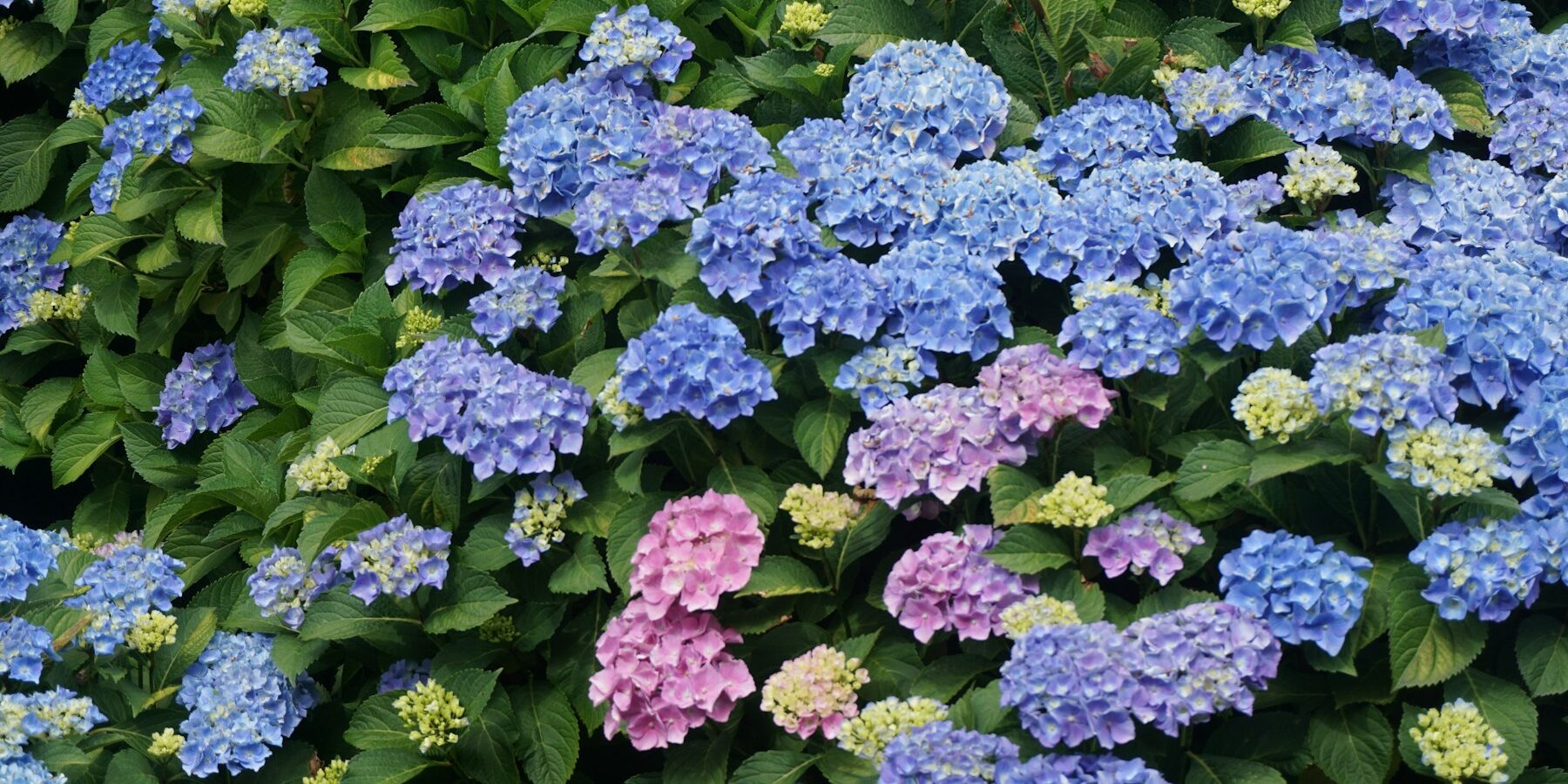
Hydrangeas are one of those plants that can make a New Jersey landscape feel instantly more finished. They work along foundations, near walkways, around patios, beside porches, and in garden beds where you want a softer, fuller look. When they are healthy and blooming, they can carry a whole section of the yard.
They can also be a little confusing. A homeowner may prune one hydrangea in early spring and get beautiful flowers, then prune another the same way and lose most of the season’s blooms. Watering can feel just as confusing because hydrangeas often wilt during hot afternoons, even when the soil is not completely dry. Fertilizer helps in some situations, but too much can create leafy growth without the flowers you were hoping for.
The key is timing. Hydrangea maintenance is not especially difficult once you understand what kind of hydrangea you have and how the seasons affect it in Central New Jersey. Our hot, humid summers, winter cold, freeze-thaw swings, and unpredictable spring weather all play a role. A little seasonal planning can help you avoid the most common mistakes.
First, Know What Type Of Hydrangea You Have
Before you prune, fertilize heavily, or decide a hydrangea is not blooming properly, try to identify what type it is. This matters because different hydrangeas bloom on different kinds of wood. Some bloom on old wood, which means stems that grew the previous season. Others bloom on new wood, which means growth produced during the current season. Some newer reblooming varieties can flower on both.
That one detail changes the whole pruning schedule. If a hydrangea sets its flower buds on old wood and you cut it back in fall or early spring, you may be removing the buds before they ever have a chance to open. If a hydrangea blooms on new wood, late winter or early spring pruning may be exactly what it needs.
Common types homeowners may see include:
- Bigleaf or mophead hydrangeas: often blue or pink, and many bloom on old wood.
- Oakleaf hydrangeas: known for large leaves and fall color, and they bloom on old wood.
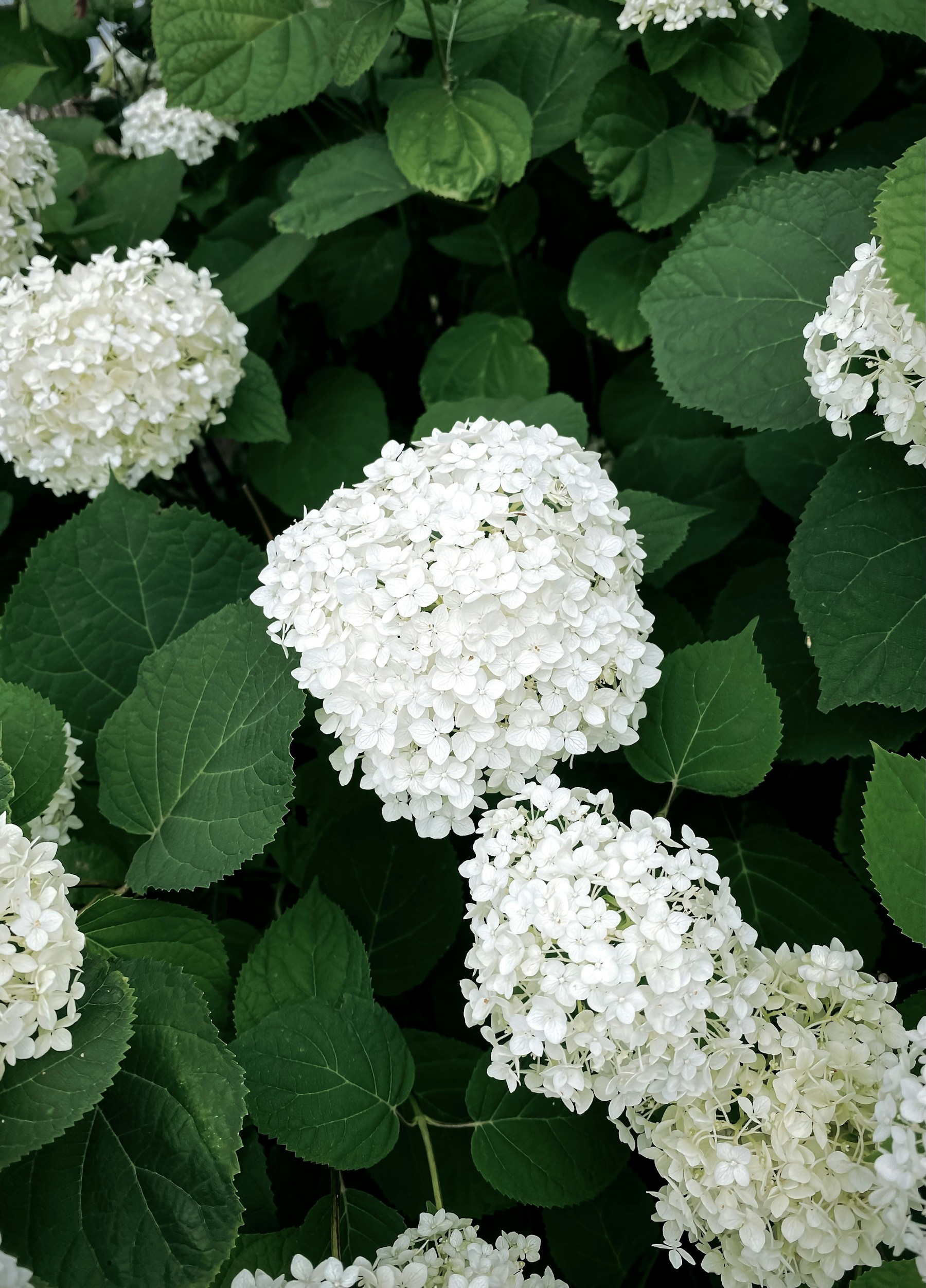
- Panicle hydrangeas: often white or lime-green flowers that age to pink, and they bloom on new wood.
- Smooth hydrangeas: includes popular white-flowering types, and they bloom on new wood.
- Reblooming hydrangeas: some varieties bloom on both old and new wood, but still benefit from careful pruning.
If you are not sure what you have, take a few photos of the plant, leaves, flowers, and overall shape before cutting anything major. That extra step can save you from pruning away next year’s blooms.
Spring: Inspect Before You Cut
In Central New Jersey, spring can be uneven. A warm stretch may encourage new growth, then a late cold snap can slow everything down again. Hydrangeas can also look rough after winter, especially older stems that appear dry or damaged before the plant fully wakes up.
Start with inspection rather than pruning. Look for broken branches, obviously dead stems, winter damage, and new buds beginning to swell. Some stems may look questionable early in the season but still have life in them, especially on old-wood varieties. If you cut too aggressively before you know what is alive, you may remove flower buds that were already formed.
It is usually fine to remove clearly dead, damaged, or diseased wood once you can identify it. The caution is with heavy shaping or cutting the plant back hard. For bigleaf and oakleaf hydrangeas in particular, spring is a time to be patient. Let the plant show you where it is growing before making major decisions.
When To Prune Hydrangeas
Pruning is where many homeowners get tripped up. The best time to prune depends less on the calendar and more on the type of hydrangea. A simple rule is this: old-wood bloomers are usually pruned after flowering, while new-wood bloomers are usually pruned in late winter or early spring.
Bigleaf and oakleaf hydrangeas generally bloom on old wood. If they need pruning, it is usually best to do light pruning after they flower. This gives the plant time to grow and set buds for the following year. Cutting them back in fall or early spring can reduce or eliminate blooms because the flower buds may already be on the stems.
Panicle and smooth hydrangeas bloom on new wood. These are more forgiving when it comes to late winter or early spring pruning because their flower buds form on new growth. They can often be shaped or reduced before the season’s growth begins, though the amount of pruning still depends on the plant, the variety, and the look you want.
Reblooming hydrangeas need a lighter touch. Because they may flower on both old and new wood, aggressive pruning can still delay or reduce blooms. For these, focus on removing dead or damaged stems and shaping only as needed.
When in doubt, prune less. You can always make a small correction later, but once flower buds are cut off, the plant cannot put them back that season.
Summer: Water Deeply And Watch For Heat Stress
Hydrangeas are known for wilting on hot summer afternoons. In New Jersey humidity, that can look dramatic. The leaves may droop in the heat, then recover later in the day when temperatures cool. That kind of temporary afternoon wilt does not always mean the plant is failing, but repeated or severe wilting is worth paying attention to.
Watering deeply is usually better than giving the plant a quick splash every day. Shallow watering encourages shallow roots, and shallow roots struggle more during hot, dry stretches. A deeper soak at the base of the plant helps moisture reach the root zone where the plant can actually use it.
Try to water near the soil rather than spraying the leaves. This helps reduce wasted water and keeps moisture focused where it matters. Morning watering is often helpful because the plant can take up moisture before the hottest part of the day. If the soil still feels moist a few inches down, wait before adding more. Hydrangeas like consistent moisture, but constantly soggy soil can create its own problems.
Mulch Helps Keep Moisture More Consistent
A good mulch layer can make hydrangea care easier during summer. Mulch helps moderate soil temperature, slows evaporation, and reduces weed competition around the plant. For hydrangeas, that steady moisture can be especially helpful during July and August.
The main thing is to mulch properly. Keep mulch a few inches away from the base of the stems rather than piling it directly against the plant. Mulch packed against stems can hold too much moisture in the wrong place. A clean, even layer around the root zone is usually more useful than a thick mound.
If your mulch has thinned out, washed away, or mixed into the soil by mid-season, a light refresh may help. You do not always need to add a lot. Sometimes cleaning the bed edge and topping off bare areas is enough to make the planting look better and help the soil hold moisture more evenly.
Fertilizing Hydrangeas Without Overdoing It
Hydrangeas do not always need heavy feeding. In many established landscapes, they grow well with good soil, proper watering, mulch, and a modest spring feeding when needed. Over-fertilizing can push leafy growth at the expense of flowers, especially if the plant is getting more nitrogen than it needs.
For many homeowners, a balanced slow-release fertilizer applied in spring is a reasonable place to start. Follow the label directions carefully and water the area afterward. More is not better. If a hydrangea is not blooming, the answer may be pruning timing, winter bud damage, sun exposure, or plant type rather than a lack of fertilizer.
It also helps to look at the whole bed. Hydrangeas planted near lawns may already be receiving nutrients from nearby lawn fertilizer. Plants in poor soil, compacted soil, or very dry conditions may struggle even if fertilizer is added. If you are unsure, it is better to ask questions before applying multiple products.
Flower Color And Soil pH: What Homeowners Should Know
Some bigleaf hydrangeas can shift flower color based on soil chemistry. This is why homeowners often hear about making hydrangeas blue or pink. The basic idea is that soil pH and aluminum availability can affect the color of certain varieties.
That said, not every hydrangea changes color. White hydrangeas generally stay white, and panicle or smooth hydrangeas do not behave the same way as blue or pink bigleaf types. It is also not a good idea to randomly add amendments without understanding your soil. If flower color matters to you, identify the plant first and consider a soil test before making adjustments.
For many homeowners, the better goal is a healthy plant. Good watering, proper pruning, and the right growing conditions usually matter more than chasing a specific shade of blue or pink.
Fall: Clean Up, But Do Not Panic-Prune
Fall is a good time to clean up around hydrangeas, but it is not always the right time to cut them back. Remove fallen leaves, pull weeds, refresh thin mulch areas, and clear away obviously diseased material. This helps the bed go into winter cleaner and makes spring inspection easier.
Be careful with pruning in fall, especially on bigleaf and oakleaf hydrangeas. These old-wood bloomers may already have buds set for next year’s flowers. Cutting them back because they look messy at the end of the season can cost you blooms the following year.
Spent flower heads can be left in place if you like the winter look, or removed lightly depending on the type and condition of the plant. The important thing is not to treat every hydrangea as if it should be cut to the ground in fall. That advice works for some plants, but not for all hydrangeas.
Winter: Protect Roots And Be Patient
Central New Jersey winters can be hard on hydrangeas, especially old-wood varieties that carry flower buds through the cold months. Some winters are mild, while others bring sharp temperature swings, wind, ice, and freeze-thaw cycles. Even a healthy hydrangea may lose buds in a tough winter.
A reasonable mulch layer can help protect the root zone. Avoid fertilizing late in the season because it can encourage tender growth that is more vulnerable to cold. If a plant is in a very exposed location, winter wind may be just as much of a stress as low temperature.
In spring, be patient. A hydrangea may leaf out later than expected, or some stems may die back while others survive. Give the plant time before deciding what needs to be removed. This is especially important for homeowners who are eager to clean everything up as soon as the weather warms.
Common Hydrangea Mistakes To Avoid
Most hydrangea problems come back to timing, watering, or expectations. Once you understand the type of hydrangea and how it grows, the maintenance becomes much easier.
Common mistakes include:
- Pruning old-wood hydrangeas in fall or early spring.
- Assuming every hydrangea should be cut back the same way.
- Watering lightly instead of deeply.
- Letting mulch pile up against the stems.
- Over-fertilizing when the real issue is pruning timing or winter bud damage.
- Planting in harsh afternoon sun without enough moisture support.
- Expecting every hydrangea variety to change flower color.
The good news is that these are all manageable mistakes. A little more attention to plant type and season can make a big difference.
Better Hydrangeas Start With Better Timing
Hydrangea care does not have to be complicated. The most important step is matching your maintenance to the plant and the season. Know what type of hydrangea you have, prune at the right time, water deeply during hot stretches, mulch properly, and fertilize with a light hand when needed.
If you are refreshing hydrangea beds, adding mulch, choosing soil amendments, or planning new garden areas, Ryser’s Landscape Supply can help you think through the materials before you get started. Stop by our showroom at 145 White Road in Little Silver to see garden supplies in person, ask questions, and get practical recommendations from the Ryser’s team for your next landscape project.