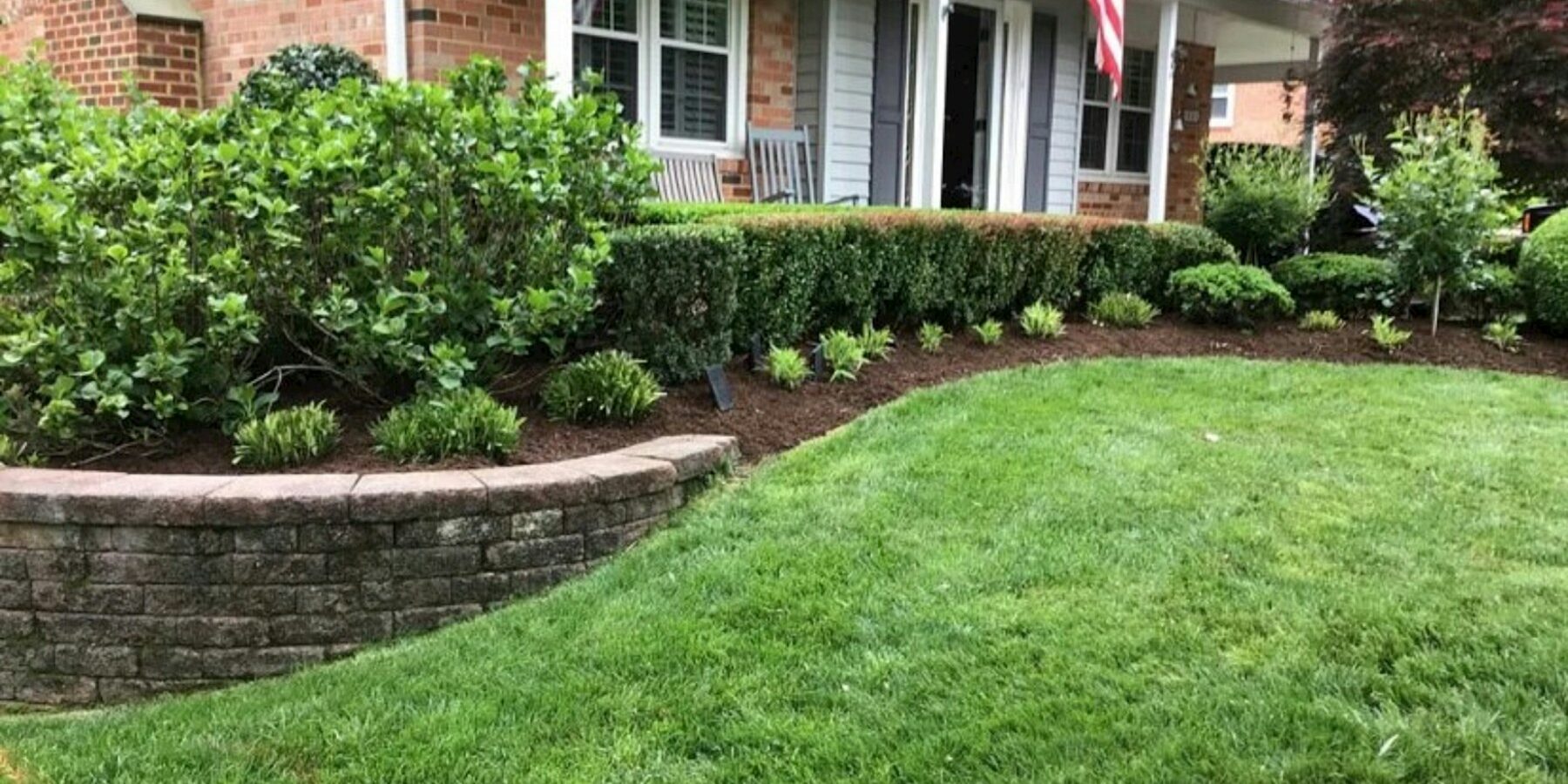
May is one of the best times of year to reset your landscape beds in New Jersey. The weather is usually warm enough to work comfortably, most plants are actively growing, and there is still time to correct small problems before summer heat makes them harder to manage.
This does not mean every bed needs to be redesigned from scratch. In many yards, a good May cleanup is more about maintenance than major construction. A few smart steps now can help your beds hold moisture better, reduce weeds, protect plant roots, and make the whole property look more finished heading into June, July, and August.
For homeowners in Monmouth County and the surrounding area, the main things to look at are simple: cleanup, soil condition, edging, mulch, watering, and whether any areas would be better served by decorative stone or another material. Here is a practical checklist to work through before summer really settles in.
Start With A Walkthrough Of Every Bed
Before buying mulch, soil, stone, plants, or edging, walk the property and look closely at each landscape bed. This quick inspection can save time and help you avoid guessing when you get to the supply yard.
Look for areas where mulch has washed away, weeds are already spreading, soil is exposed, or last year’s mulch has become thick and matted. Check around shrubs and trees for exposed roots, damage from winter, or mulch piled too close to the base of the plant. Pay attention to low spots where water collects and dry spots where the soil seems hard, cracked, or dusty.
It also helps to look at the bed lines themselves. Are the edges still clean, or has the lawn started creeping into the planting area? Are stones, pavers, or edging pieces shifting out of place? Are there spots where mulch spills into the grass every time it rains?
You do not need a formal plan at this stage. A short list is enough. Write down which beds need mulch, which areas need soil improvement, which edges need attention, and which spots may need a different material altogether.
Clean Up Before You Add Anything New
One common mistake is putting fresh material directly over a messy bed. New mulch can improve the look quickly, but if weeds, compacted old mulch, and trapped debris are still underneath, the bed may not perform much better.
Start by removing weeds, sticks, and any leaves that are smothering low-growing plants. If old mulch is extremely thick, crusted, or pushed up against trunks and stems, pull it back and loosen it before adding more. You do not necessarily need to remove every bit of old mulch, but you do want to avoid building layer after layer until the bed becomes too high.
This cleanup step also gives you a clearer view of the soil. If the ground is sunken in spots, you may need topsoil or compost. If water is running off instead of soaking in, the bed may need regrading or better edging. If the soil is compacted, dry, or poor-looking, simply adding mulch may hide the problem without fixing it.
A clean bed gives every next step a better chance of working well.
Check The Soil Before Summer Stress Hits
Healthy plants start with healthy soil. By May, many homeowners can see which shrubs, perennials, and planting areas are coming back strong and which ones look weak or uneven.
Soil issues can show up in a few different ways. Some plants may stay small or pale. Some beds may dry out very quickly after watering. Other areas may stay soggy after rain. In older landscape beds, soil can also become compacted over time, especially along driveways, walkways, and high-traffic areas.
For simple refreshes, adding quality topsoil or compost can help improve a tired bed, especially when planting annuals, perennials, or new shrubs. The goal is not to bury existing plants or change the grade too dramatically. It is to improve the planting area where the soil is thin, depleted, or uneven.
If you have a recurring problem, such as plants that never seem to thrive in a certain bed, a soil test may be worth considering. Rutgers Cooperative Extension offers soil testing resources for New Jersey residents, and a soil test can help identify pH or nutrient issues that are hard to diagnose by sight alone.
For most homeowners, the takeaway is simple: do not treat every problem as a mulch problem. If the soil underneath is poor, the bed may need more than a fresh top layer.
Edge Beds For A Cleaner Look And Easier Maintenance
Edging is one of those details that makes a landscape look more intentional. It also makes maintenance easier through the rest of the season.
A clean edge separates lawn from planting bed, helps hold mulch or stone in place, and reduces the amount of grass that creeps into the bed. It can be as simple as a freshly cut natural edge, or it can involve stone, pavers, metal edging, or another border material.
For a soft, traditional look, many homeowners like a natural spade-cut edge. It works well around curved beds and can be refreshed each season. For a more permanent or structured look, stone and paver edging can add definition and tie into walkways, patios, or other hardscape elements.
If you are already planning to add mulch or decorative stone, edging should be considered before the material goes down. It is much easier to clean up the bed line first than to try to correct it after everything has been spread.
Refresh Mulch The Right Way
Mulch is one of the most useful materials in a landscape bed when it is applied correctly. It helps conserve soil moisture, moderate soil temperature, reduce weeds, and give beds a finished appearance.
The key is not to overdo it. More mulch is not always better. Rutgers NJAES guidance warns against over-mulching trees and shrubs and notes that total mulch depth should generally not exceed about three inches, including mulch that is already in place. On compacted or poorly drained soils, even less may be appropriate.
For most landscape beds, the practical approach is to check what is already there before adding more. If there is still a good layer of mulch, you may only need a light top-dressing to refresh color and coverage. If the mulch has broken down or washed away, you may need a more complete application.
Keep mulch pulled back from tree trunks, shrub stems, and the crowns of perennials. Mulch volcanoes can trap moisture against bark and create problems for the plant. A slightly open space around the base of each plant is healthier and usually looks cleaner too.
The type of mulch depends on the look and function you want. Shredded hardwood has a natural appearance and works well in many traditional beds. Dyed mulches can provide a darker or more uniform look. Natural mulch may blend better in wooded or informal settings. If you are not sure what fits your property, it is worth seeing the options in person.
Look At Watering Before The First Heat Wave
By the time July arrives, watering problems are much more obvious. May is a better time to prepare.
Fresh mulch can help soil hold moisture, but it does not replace good watering habits. Quick, shallow watering often wets the surface without reaching the root zone. Deeper watering, done less frequently, is usually more helpful for established shrubs and planting beds.
A simple way to check is to pull back the mulch and feel the soil underneath. If the top of the mulch looks dry but the soil below is still moist, you may not need to water yet. If the soil is dry several inches down, the bed likely needs a deeper soak.
New plantings need closer attention than established plants. Containers, sunny beds, and areas near pavement also dry out faster. If you add new shrubs, perennials, annuals, or planters in May, make sure watering is part of the plan from the beginning.
It is also worth checking how water moves through the bed during rain. If runoff carries mulch into the lawn or driveway, the bed may need a better edge, a different grade, or a material that stays in place more reliably.
Decide Where Decorative Stone Makes Sense
Mulch is not the only option for landscape beds. Decorative stone can be a good choice in the right location, especially where homeowners want a clean, long-lasting material with less frequent replacement.
Stone can work well along walkways, around certain foundation areas, near drainage features, or in beds where a crisp, low-maintenance look is desired. It can also help connect landscape areas visually with patios, retaining walls, steps, or other hardscape features.
That said, decorative stone is not perfect for every planting bed. It can hold heat, it is harder to change once installed, and it does not break down into organic matter the way natural mulch does. For beds with delicate plants, frequent planting changes, or a softer garden style, mulch may still be the better choice.
The best material depends on the location, the plants, the style of the home, and how much maintenance you want to do over time. Seeing stone colors and sizes in person can make the decision much easier than choosing from a small photo online.

Make A Short Shopping List Before You Visit
A little preparation makes a trip to the supply yard much more productive. Before you visit, measure the approximate length and width of the beds you want to refresh. You do not need to be perfect, but rough measurements help estimate how much mulch, soil, or stone you may need.
It also helps to take photos of the areas you are working on. A few pictures of the bed, nearby hardscaping, sun exposure, and existing plantings can make it easier to explain the project and get useful recommendations.
Your list may include:
- Mulch for existing landscape beds
- Topsoil or compost for low or tired planting areas
- Decorative stone for select beds, borders, or drainage-prone spaces
- Edging materials for cleaner bed lines
- Weed barrier fabric where appropriate
- Gloves, tools, or other supplies for installation
The goal is not to buy everything at once. The goal is to understand the project clearly enough that you can choose the right materials the first time.
A Better Summer Landscape Starts In May
May is the right time to give your landscape beds the attention they need before summer heat arrives. Cleaning up old debris, checking soil, refreshing edges, applying mulch correctly, and planning for watering can make the rest of the season easier on both you and your plants.
If you are not sure which mulch, soil, decorative stone, or edging material makes the most sense for your yard, Ryser’s Landscape Supply can help you compare options in person. Stop by the showroom and supply yard at 145 White Road in Little Silver, talk with our team, and get practical recommendations before you start your next outdoor project.